


When is the Best Time to Visit Laluka Safari Lodge?


It’s one of the most common questions we receive — and also one of the most difficult to answer simply.
The truth is that there is no single “best” time to visit Laluka Safari Lodge or the Welgevonden Game Reserve. Each season brings a different rhythm to the bush. What you experience in September is not what you will find in January, and neither is better — only different.
Rather than asking when the bush is at its “best,” it is more useful to understand what each time of year offers.
A Landscape Defined by Seasons
The Waterberg follows a clear seasonal pattern:
Dry season (May to September)
Green season (October to April)
These are not rigid categories, but they shape everything — from vegetation and wildlife behaviour to light, temperature, and atmosphere.
Dry Season (May to September)
The dry months are often considered the most straightforward time for wildlife viewing in the Welgevonden Game Reserve.
As rainfall becomes scarce, the bush thins out. Grasses recede, trees lose density, and visibility improves significantly. Water sources become more limited, and animals begin to concentrate around pans, rivers, and waterholes.
This naturally leads to:
More frequent sightings
Easier tracking
Clearer photographic opportunities
Predators take advantage of these conditions. With less cover available, hunting becomes more efficient, and encounters can feel more direct.
Mornings and late afternoons during this time of year can be quite chilly on the vehicle. We provide guests with warm blankets or ponchos, and on request, hot water bottles to keep comfortable during game drives.
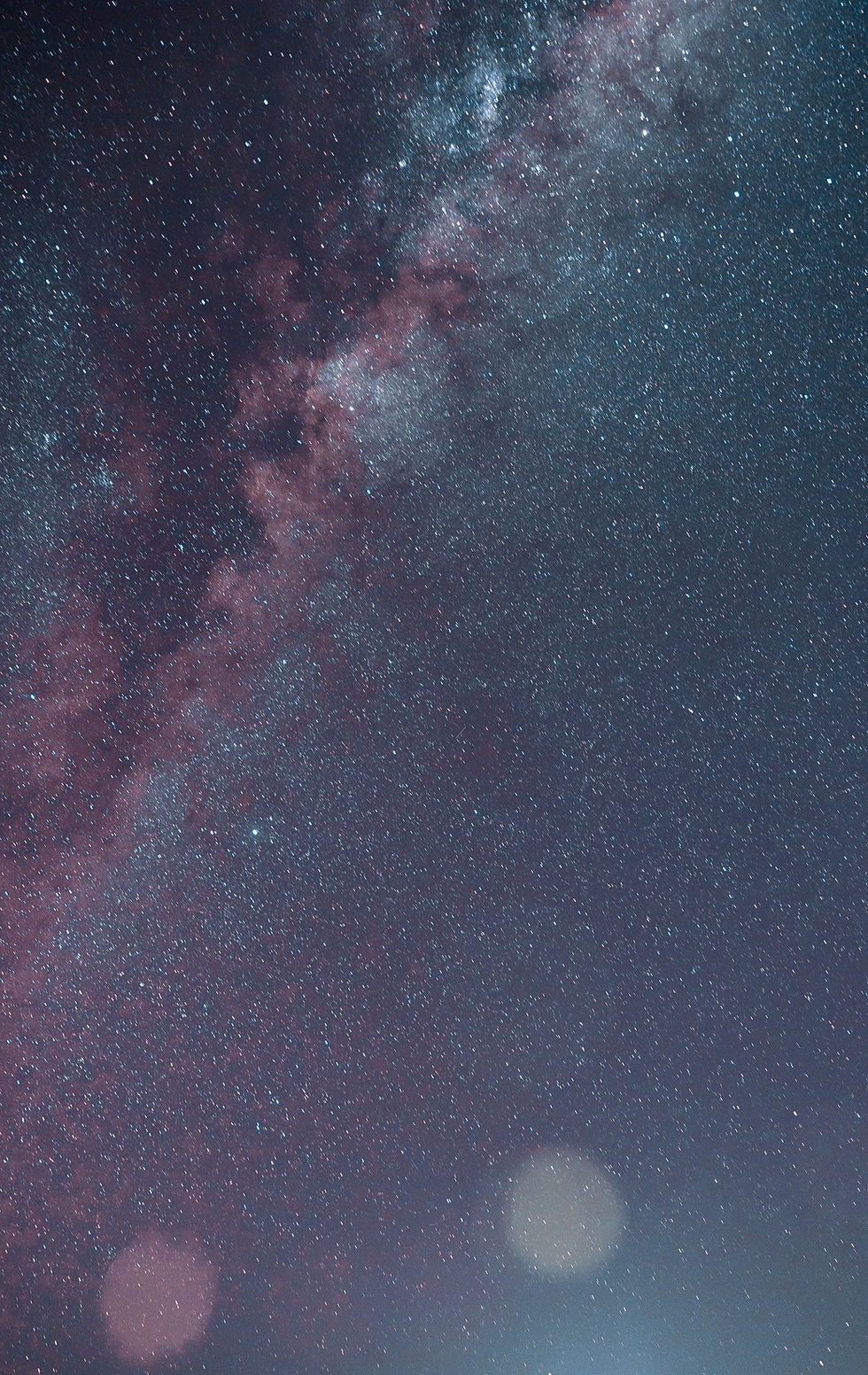
The dry winter months also bring some of the clearest night skies of the year. With very little moisture in the air and almost no light pollution in the Waterberg, conditions are ideal for stargazing. On clear nights, the Milky Way becomes vividly visible, stretching across the sky in a way that is difficult to experience in more developed areas.
There is a certain stillness to the bush in winter — quieter, more open, and easier to read.
Late Dry Season (August to September)
Towards the end of the dry season, the landscape reaches its most minimal state.
Vegetation is sparse, and wildlife activity around water becomes even more concentrated. This is often when tracking conditions are at their best, as every footprint and movement is more visible.
The environment also becomes noticeably drier and dustier, which brings a different atmosphere to the bush. Dust rising behind moving animals or vehicles can create striking light and texture, often resulting in unique photographic opportunities.
At the same time, subtle seasonal shifts begin:
The first migratory birds return
Wild seringa trees release their scent
Early signs of renewal appear before the rains
September, in particular, offers a unique balance — excellent game viewing combined with the first signs of change in the bush.

Green Season (October to April)
With the arrival of the first rains, the bush transforms quickly.
What was dry and golden becomes green within weeks. Grass grows tall, trees fill out, and the landscape feels alive again. The Welgevonden Game Reserve shifts from openness to density, and with it, the experience changes.
Wildlife is still abundant, but sightings become more immersive and behaviour-driven, as animals move through thicker vegetation and make use of the expanded landscape.
This is the season of:
New life (many animals give birth)
Bird activity (migratory species arrive in numbers)
Dynamic skies and changing light
Rather than focusing only on visibility, the green season invites a different way of experiencing the bush — one that rewards patience, observation, and attention to detail.
Summer Months (December to February)
Summer brings heat, afternoon storms, and dramatic skies.
This is a time of new life, with many animals giving birth and birdlife at its peak. The reserve becomes increasingly active, both in movement and sound.
All water systems across the Welgevonden Game Reserve begin to flow again — rivers, streams, and drainage lines come alive. This is where the Waterberg truly reveals the meaning behind its name: “mountain of water.”
The landscape becomes highly scenic, with lush vegetation, moving water, and shifting skies.
The bush in summer feels fully alive:
Visually — vibrant greens and dramatic contrasts
Audibly — birds, insects, frogs, and distant thunder
Sensory — the scent of rain, soil, and flowering plants
While midday temperatures can be warmer, mornings and evenings remain the most active and rewarding times in the bush.

Shoulder Seasons (March–April & October–November)
These transitional periods are often overlooked but can offer some of the most balanced experiences.
March and April: The bush remains green, but rainfall decreases. Visibility improves while the landscape still holds its richness.
October and November: The dry season breaks, and the first rains bring rapid change, with wildlife responding quickly to shifting conditions.
These months often combine:
Good wildlife viewing
Comfortable temperatures
A sense of movement between seasons
They are also typically quieter periods, with fewer visitors in the reserve and at the lodge, allowing for a more relaxed and unhurried experience.

So, When Should You Visit?
The answer depends less on the calendar and more on what you are looking for.
If your focus is frequent sightings and clear visibility, the dry months are ideal.
If you are drawn to lush landscapes, birdlife, and new life, the green season offers something entirely different.
If you want a balance of both — with fewer crowds — the shoulder seasons are worth considering.
At Laluka, the bush is never static.
The Best Time is the One You Choose
There is no moment when the Welgevonden Game Reserve stands still and waits to be experienced.
Each season reveals something different:
In winter, the bush becomes readable
In summer, it becomes alive
In between, it shifts constantly
What matters most is not choosing the “perfect” time — but understanding that whenever you arrive, you are stepping into a landscape already in motion.
And that is what makes returning feel different every time.
Frequently Asked Questions
When is the best time to visit Laluka Safari Lodge? There is no single best time to visit Laluka Safari Lodge. Each season in the Welgevonden Game Reserve offers a different experience, from excellent wildlife visibility in the dry months to lush landscapes and new life during the green season.
What is the best time for wildlife viewing in the Welgevonden Game Reserve? The dry season, from May to September, generally offers the most consistent wildlife sightings. Vegetation is thinner, and animals tend to gather around water sources, making them easier to locate.
Is the green season a good time to visit Laluka Safari Lodge? Yes, the green season from October to April offers a very different but equally rewarding experience. The landscape becomes lush and vibrant, many animals give birth, and birdlife is at its peak.
When is the best time for birdwatching? The best time for birdwatching is during the green season, particularly from November to March, when migratory species are present and bird activity is at its highest.
What are the weather conditions like during the dry season? Dry season days are generally mild, but mornings and evenings can be quite cold, especially during winter months. Guests are provided with blankets, ponchos, and hot water bottles to stay comfortable during game drives.
Is summer too hot for a safari in the Waterberg? Summer temperatures can be warmer during the day, but mornings and evenings remain comfortable and are the most active times for wildlife. Afternoon thunderstorms also help cool the air and create dramatic scenery.
When is the best time for photography? Each season offers unique photographic opportunities. The dry season provides clear visibility and soft winter light, while the green season offers dramatic skies, vibrant colours, and dynamic landscapes.
When is the Welgevonden Game Reserve less busy? The shoulder seasons, particularly March to April and October to November, are generally quieter periods. This can result in a more relaxed atmosphere both in the reserve and at the lodge.
Can I see the Milky Way at Laluka Safari Lodge? Yes, the dry winter months offer some of the clearest night skies of the year. With minimal light pollution in the Waterberg, the Milky Way is often clearly visible on cloudless nights.


Comments